Every winter in Cleveland TN, the phone rings a little more often. People hear scratching in the attic, find droppings in the pantry, or spot a mouse dart across the garage floor. Most folks want to know one thing: what is the fastest way to get rid of them? The honest answer is that trapping and baiting only work if you also stop new rodents from coming in. That is why a thorough rodent entry point inspection should come before any other step in a pest control plan.
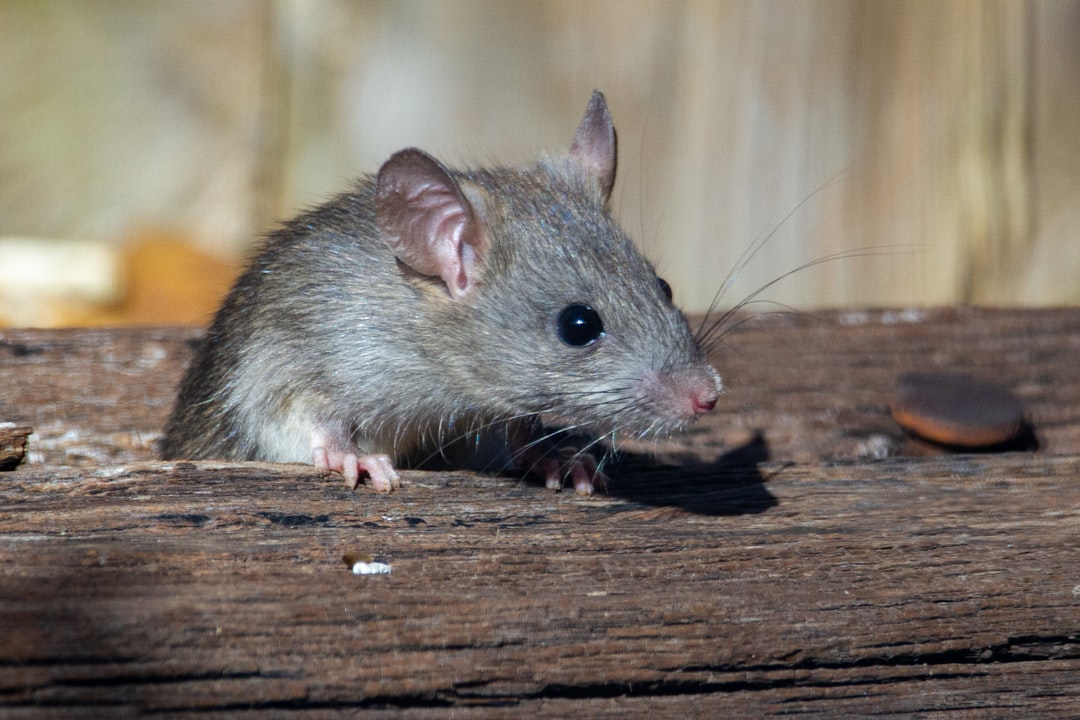
Rodents do not need much room to get inside. A mouse can squeeze through a gap the size of a pencil. Rats need only a hole the width of a quarter. Over the years, I have watched homeowners spend hours setting snap traps and replacing rat bait, only to find fresh droppings the next week. The problem was never the trap. It was the open route that let new animals walk right in. A careful inspection of the building's exterior and interior finds those gaps and makes every other control method more effective.
What a Rodent Entry Point Inspection Covers
A professional pest inspection for rodents starts at ground level and works up. The first thing I look for is foundation cracks. Concrete settles over time, and even a thin split can become a highway for rats and mice. I check where the foundation meets the siding, because that joint often pulls open as the house shifts. Next I move to soffit vents and roof gaps. Those dark, warm spaces under the eaves are perfect for nesting, and if the soffit screen has rusted or pulled loose, rodents climb right in.
Garage doors are another common entry point. The rubber seal along the bottom gets brittle and curls up, leaving a gap that a determined rat can push through. I have seen garage door seals with a half-inch opening that looked harmless but let in a whole family of mice. Weather stripping around man doors does the same thing. If it is torn or missing, the door does not close tight, and that slit is enough.
Siding gaps happen when vinyl or wood panels are not nailed flush, or when the house settles and the pieces separate. Those horizontal gaps look decorative, but to a rodent they look like a ramp. I also check around utility penetrations. Wherever pipes, cables, or vents go through a wall, there is a potential opening. The installer might have left a quarter-inch gap around the pipe, and that is all a mouse needs.
Why Simply Baiting or Trapping Is Not Enough
Many people buy a few snap traps or an ultrasonic repeller and think the job is done. Snap traps work well inside the house, but they only catch the animals that are already there. If the outside of the house is still full of holes, new rodents will replace the ones you catch. Ultrasonic repellers might sound like a good idea, but in my experience they rarely stop a hungry rat from finding food and shelter. The same goes for rat bait. Poison can reduce the population for a while, but it does not seal the openings. And poisoned rodents sometimes die inside walls, which creates a smell problem that is hard to fix.
Rodent exclusion is the only approach that provides lasting control. Exclusion means physically closing every gap so that no animal can get in. It takes more time than setting a trap, but it saves time in the long run because you stop the problem at the source. A thorough rodent entry point inspection tells you exactly where to apply that effort.
Materials That Actually Work for Sealing Gaps
Not every gap can be sealed with the same material. For small holes around pipes and wires, copper mesh is my go-to. It does not rust, and rodents cannot chew through it like they can with plastic mesh or foam. Stuff it into the gap and then cover it with caulk or mortar to hold it in place. Steel wool works in a pinch, but it rusts over time and loses its strength. For larger openings like a foundation crack or a gap around a vent, I prefer to use hardware cloth or sheet metal, cut to size and screwed in place.
Garage door seals and weather stripping should be replaced if they are cracked or missing. A new rubber sweep on the bottom of the garage door makes a huge difference. For siding gaps, a bead of exterior-grade caulk is usually enough, but if the gap is wide, I tuck a strip of copper mesh behind the caulk for extra protection. Roof gaps and soffit vents often need a piece of metal flashing or a vent cover that snaps into the frame.

Where to Look Beyond the Obvious
Some of the most overlooked entry points are not at ground level. Rodents climb. Rats in particular are good climbers and will go up a downspout or a brick wall to reach a roof gap. I always check where the roofline meets the fascia board. If there is a gap there, animals can get into the attic without ever touching the ground. Soffit vents on the underside of the eaves are another favorite route. If the screen is missing or the vent is loose, it is an open door.
Ground holes are also easy to miss. Rats dig burrows under sheds, decks, and concrete slabs. A ground hole near the foundation can lead to a nest and then to an entry point through a crack in the basement wall. During a pest inspection, I probe around the perimeter with a metal rod to find hidden burrows. If I find one, I fill it with dirt and gravel and seal the opening at the foundation.
How Often Should You Schedule an Inspection?
Most homes in Cleveland TN benefit from a rodent entry point inspection at least once a year. Late summer or early fall is the best time, because rodents start looking for warm shelter as the weather cools. If you have had a problem before, or if you live near a field or a wooded area, twice a year might be better. Spring is also a good time to check for damage caused by winter ice and snow. Freeze-thaw cycles can widen cracks and loosen siding, creating new openings that were not there before.
I also recommend an inspection after any major renovation or storm damage. New construction or siding work often leaves gaps that were not there before. A tree branch that falls on the roof can dislodge a vent cover. A plumbing repair that involves cutting a hole in the wall can leave a gap around the pipe if the contractor does not seal it properly.
Working With a Professional
A do-it-yourself inspection can catch some obvious gaps, but a trained eye sees things that most homeowners miss. Companies like Hiwassee Pest Control in Cleveland TN specialize in rodent exclusion and structural repair. They know the common problem spots for local homes and have the tools to reach soffit vents, roof edges, and crawlspaces safely. A professional inspection usually includes a written report of findings and a plan for sealing every opening. That plan might involve copper mesh, steel wool, caulk, metal flashing, and new weather stripping, depending on what the inspection uncovers.

Rodent control is not a one-size-fits-all job. Every house has its own weak points. A thorough rodent entry point inspection gives you a clear picture of those weak points and lets you fix them in order of priority. Once the house is sealed, trapping and baiting become optional tools rather than the main defense. The goal is to make your home uninviting from the outside, so that the animals never get a chance to settle in.
The next time you hear scratching in the attic, do not reach for the mouse trap first. Look for the hole. That is where the real solution begins.